With our lineup of products, growers are able to give their crops what they need, when they need it.
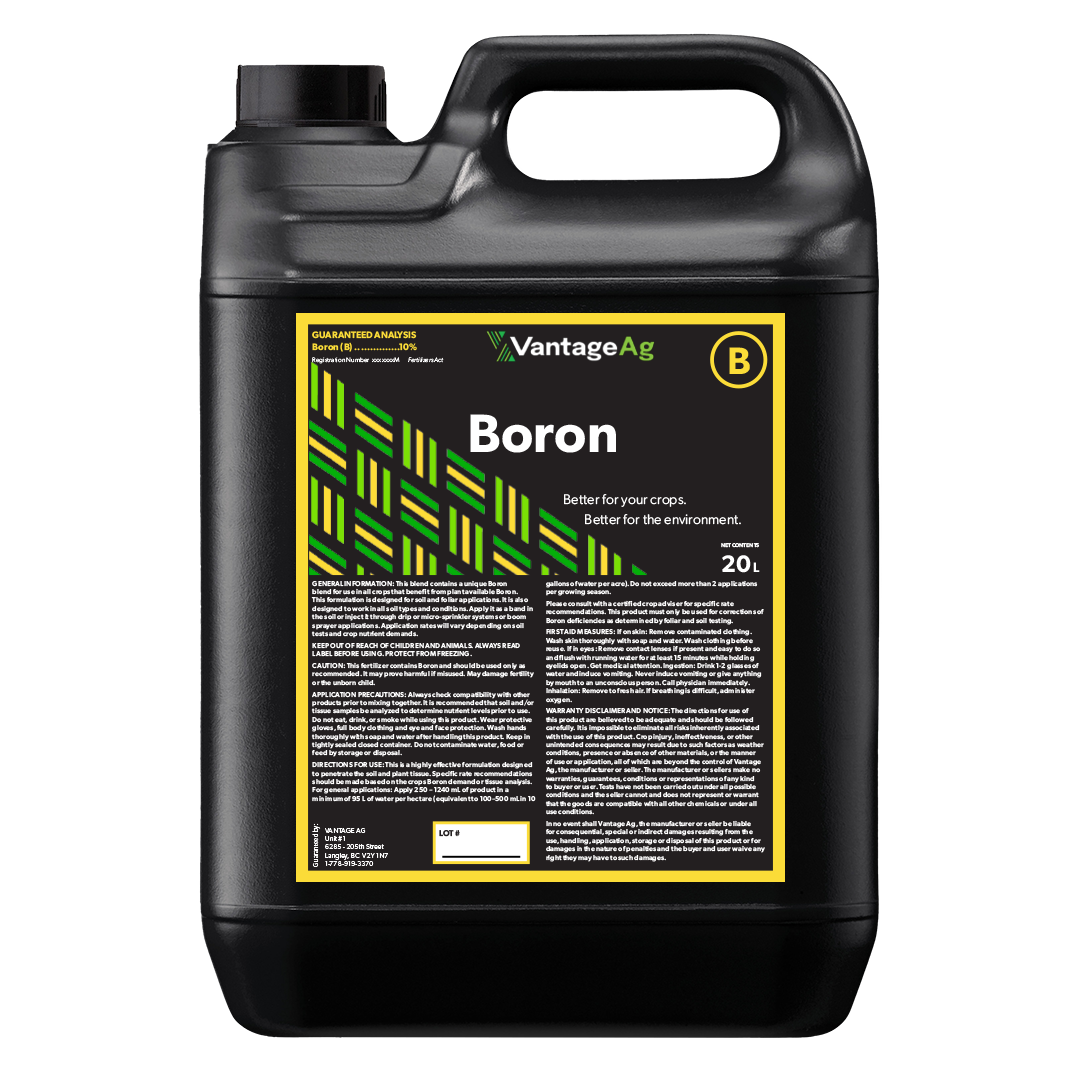
Boron in fertilizer plays a key role in a diverse range of plant functions including cell wall formation and stability, movement of sugar or energy into growing parts of plants, and more.
Product Details
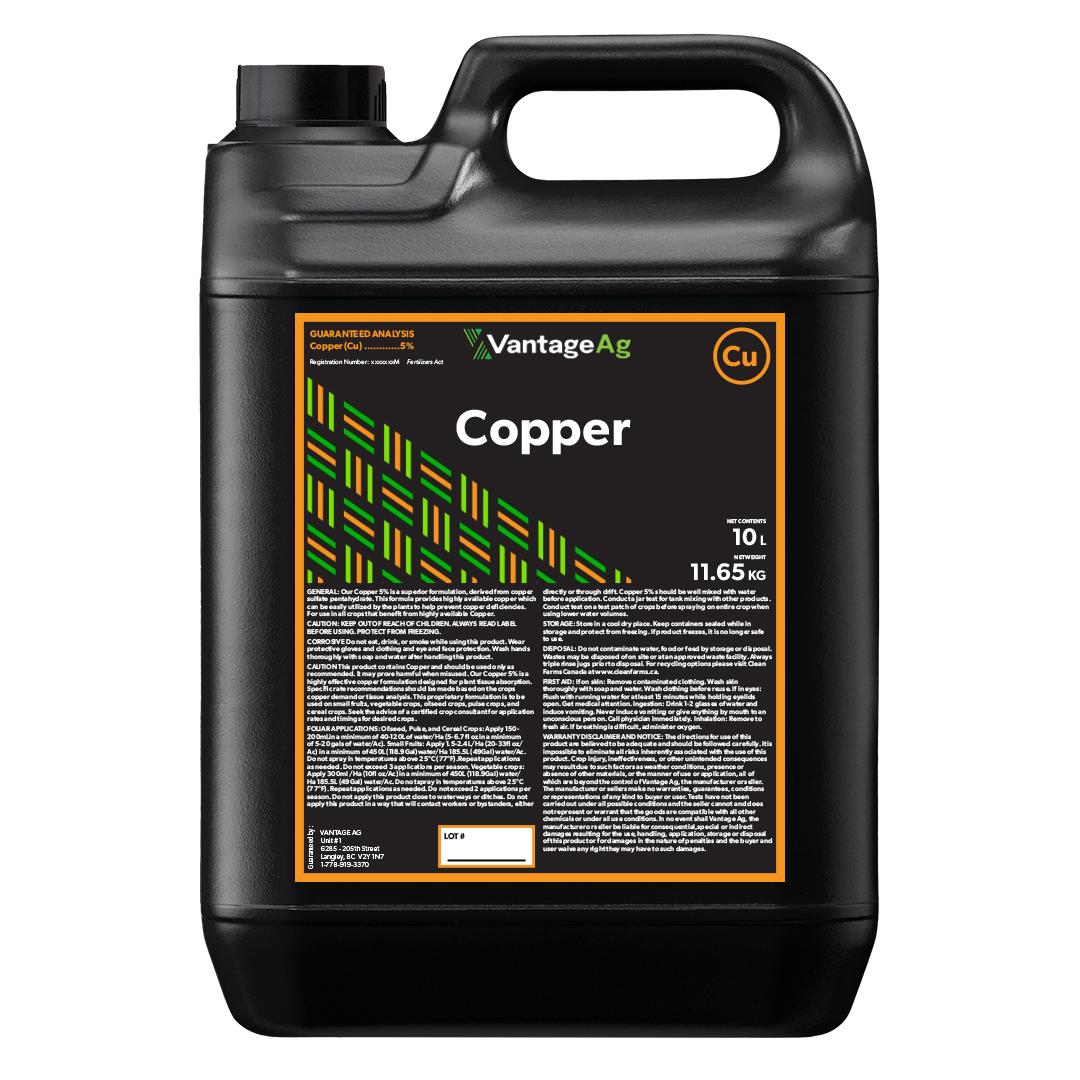
Copper is a micro-nutrient in fertilizer that is critical for photosynthesis and seed development. Wheat, barley and oats are the most sensitive to copper deficiencies.
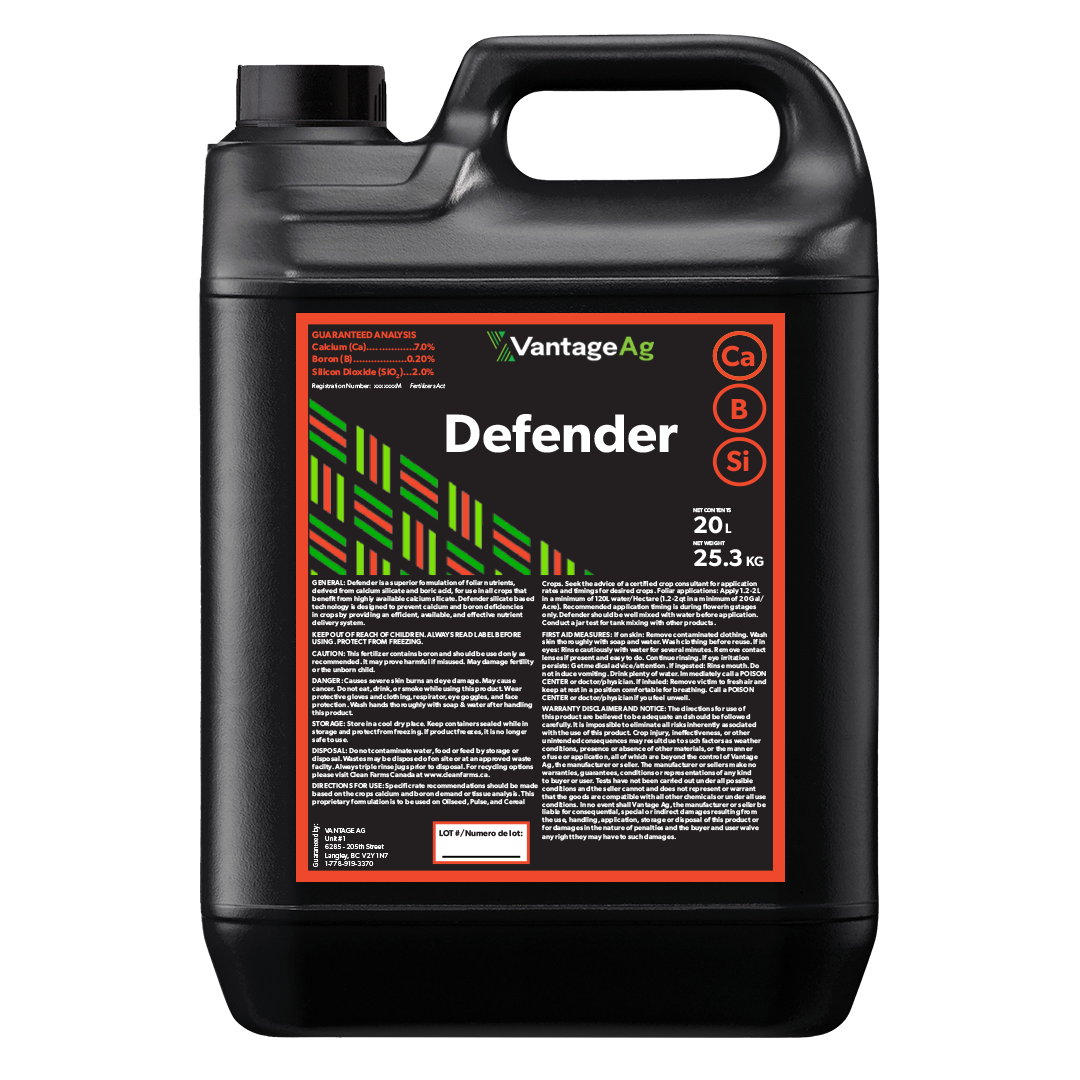
Defender in fertilizer has proven that it can protect yields in times of stress, in crops like canola, barley and pulses that are susceptible to disease at the flowering stage.
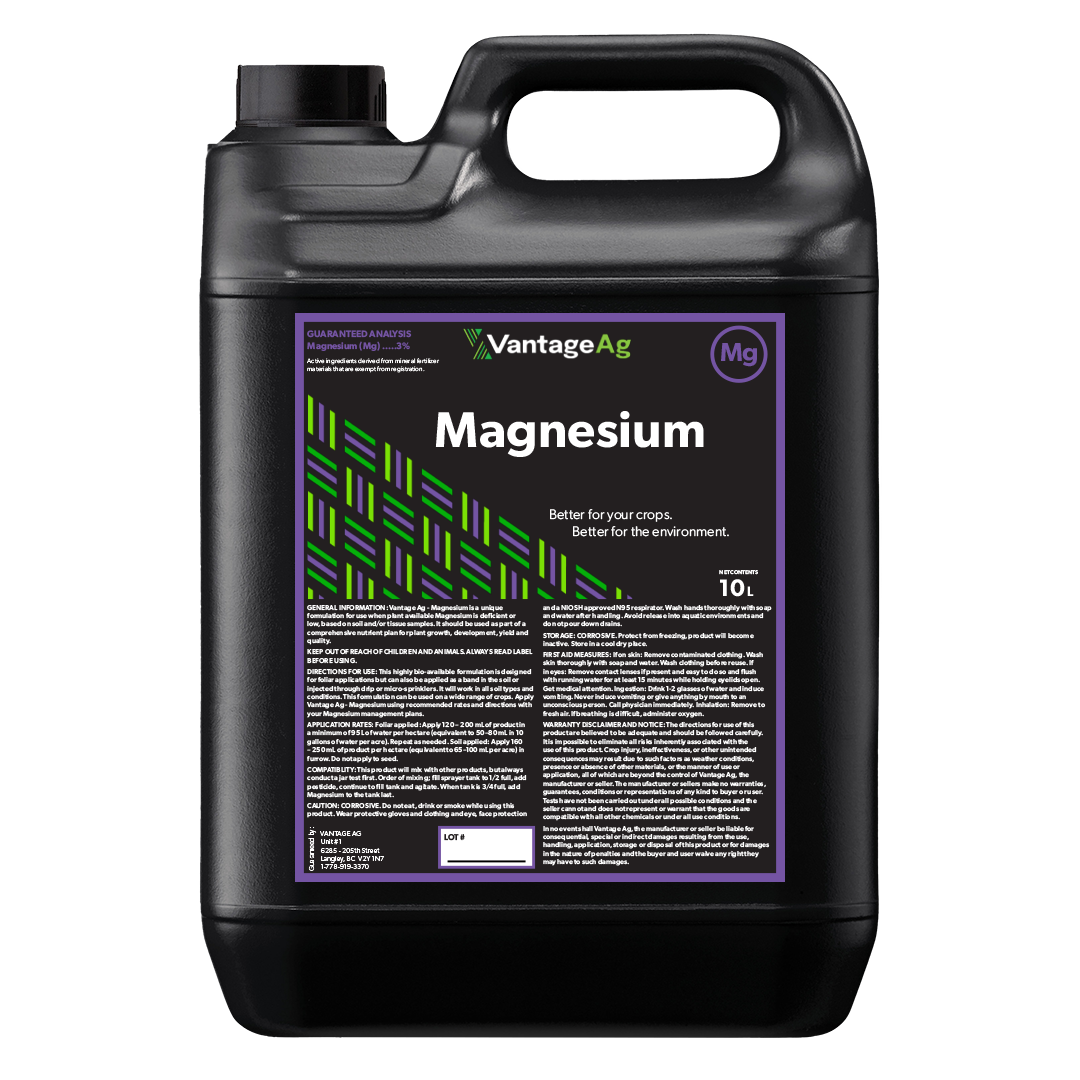
Magnesium plays a key component in fertilizer to stimulate photosynthesis as the central atom in the chlorophyll molecule. It is also essential in enzyme activation, energy transfer, and protein synthesis.
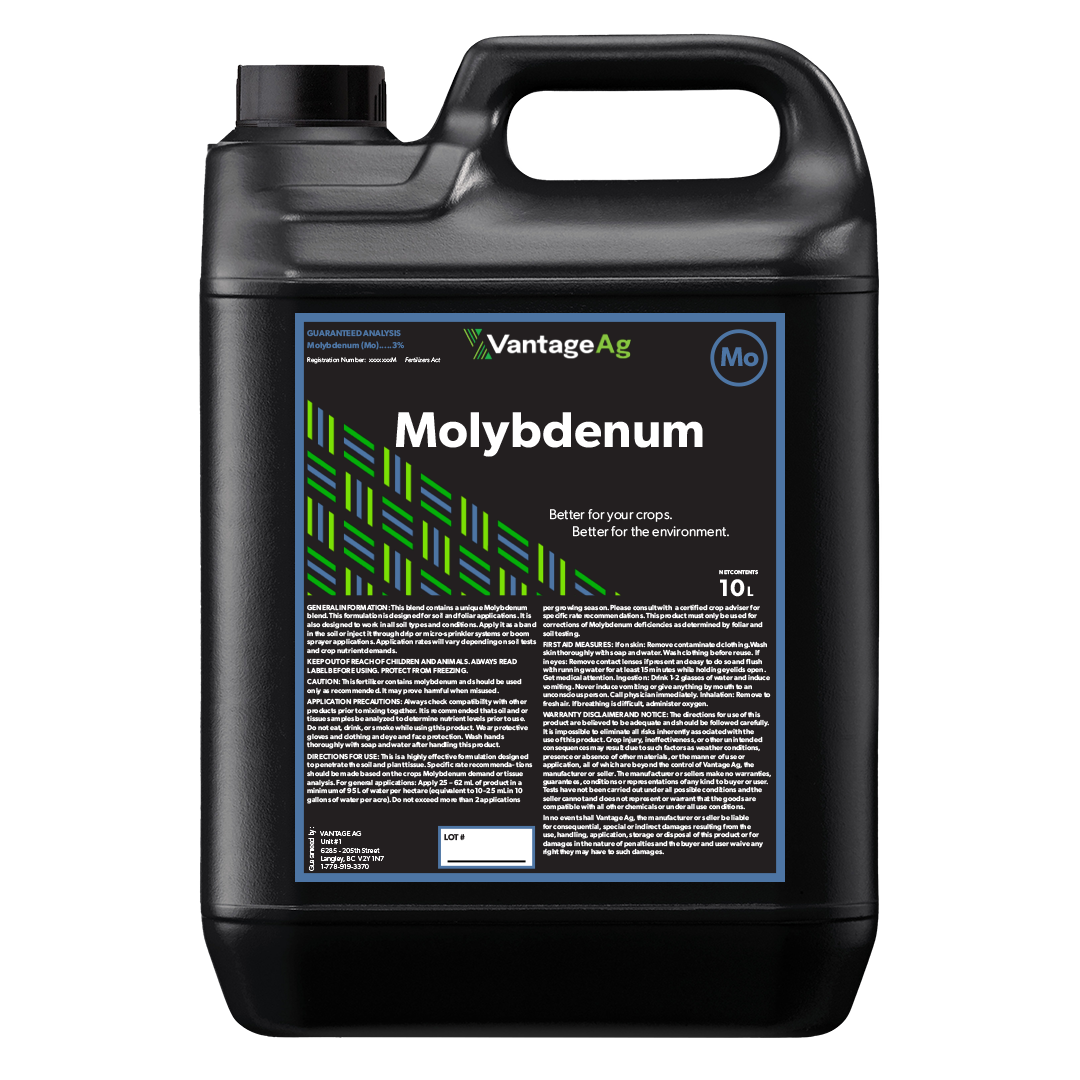
Molybdenum is crucial in fertilizer for enzymes in plants and symbiotic nitrogen-fixing bacteria in legumes to convert nitrate into nitrite and then ammonia for amino acid synthesis and to fix atmospheric nitrogen.
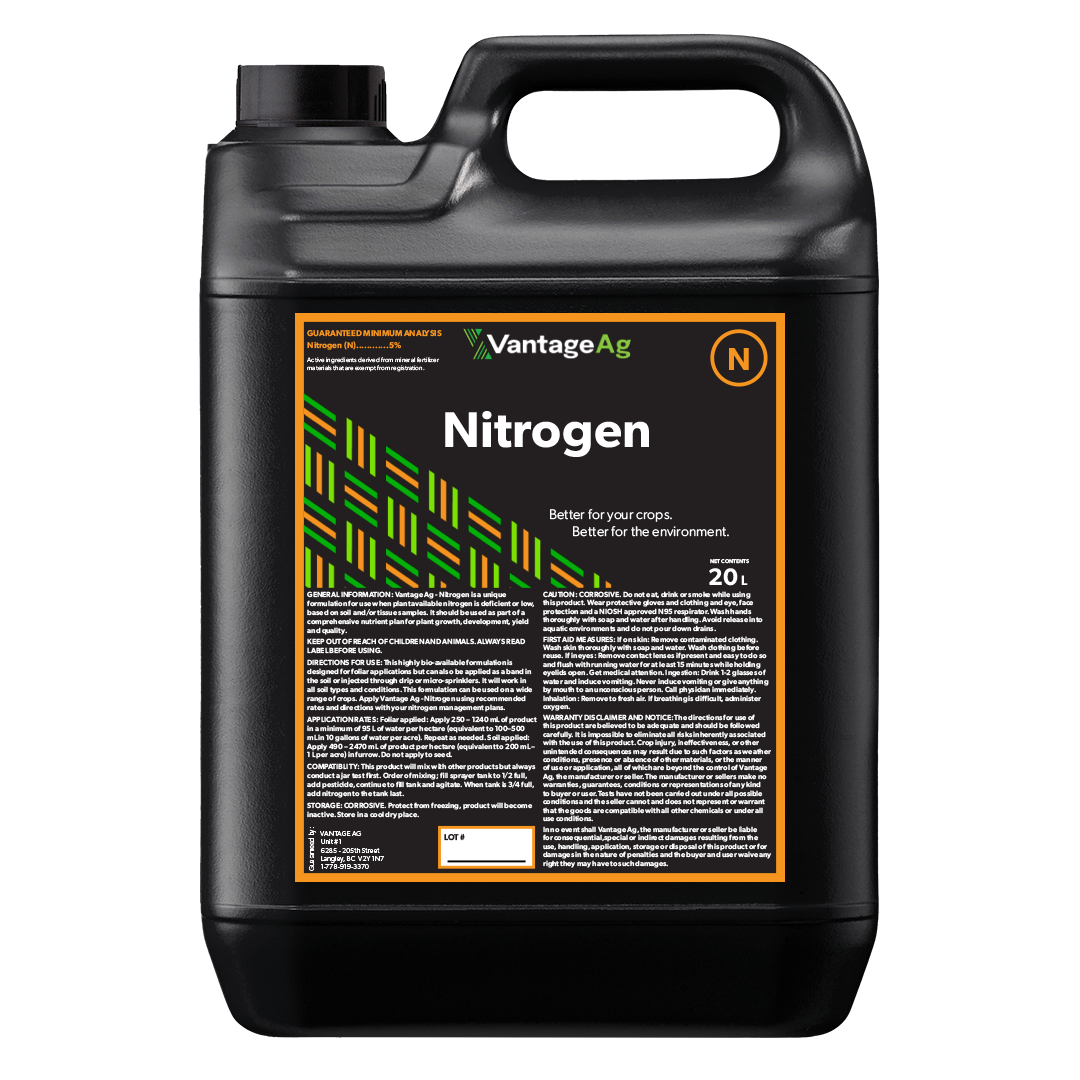
Nitrogen is a critical component in fertilizer to stimulate plant growth and reproduction and enters the plant as either nitrate or ammonia early on in the plant's growth.
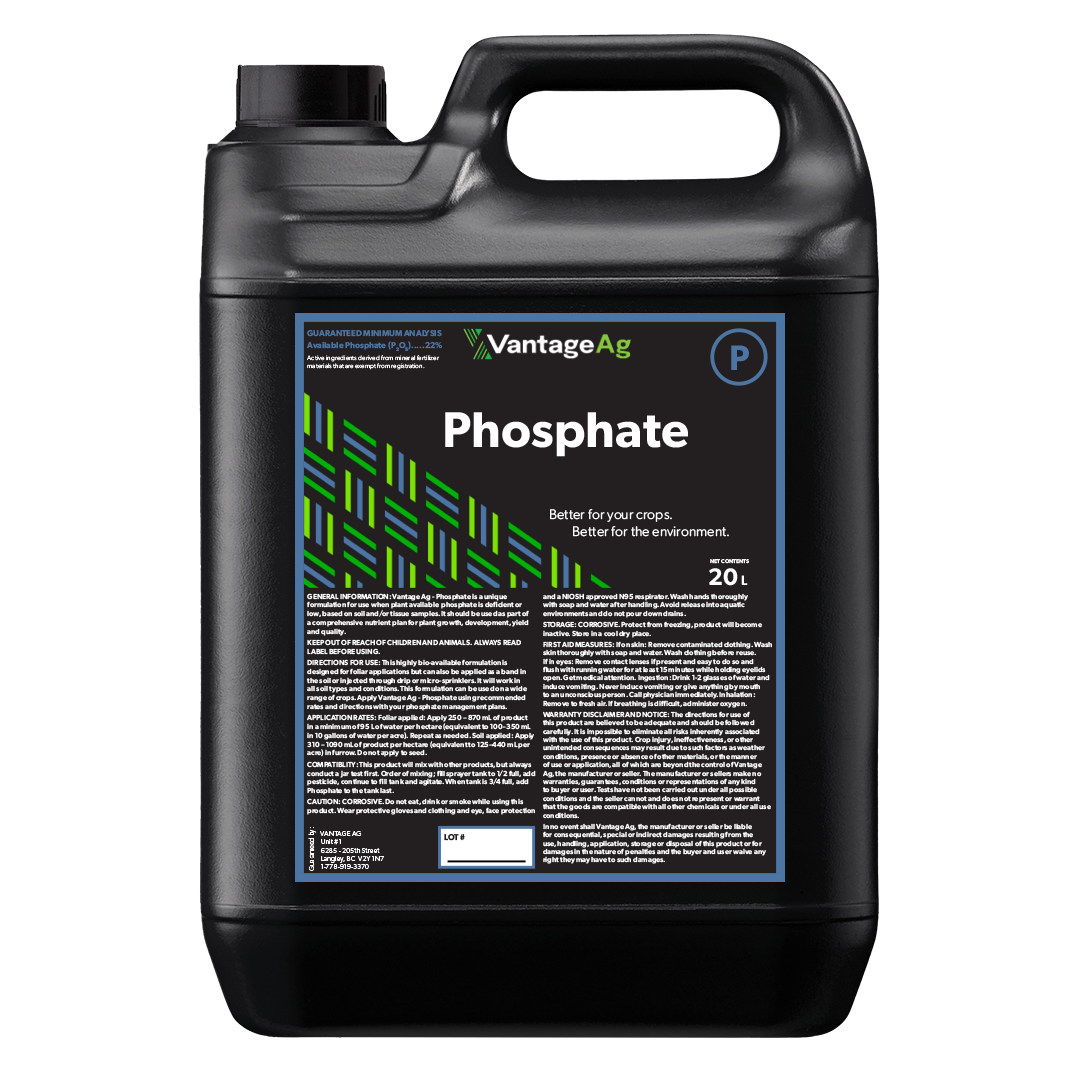
Phosphate is an essential nutrient in fertilizer for key plant structure compounds and as a catalyst in key biochemical reactions in plants.
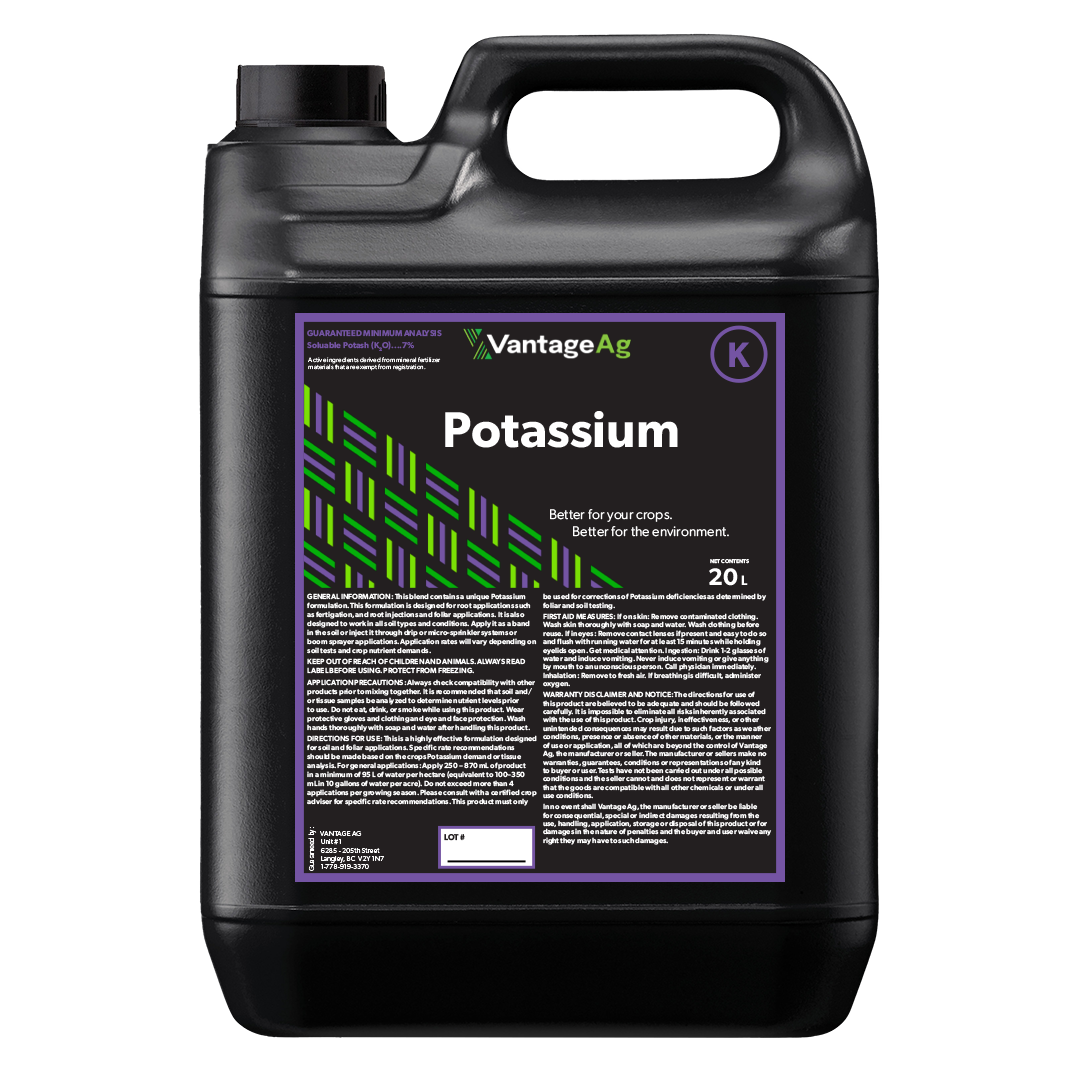
Potassium in fertilizer improves the overall health of growing plants and helps them fight against disease, making it known as the "quality" nutrient.
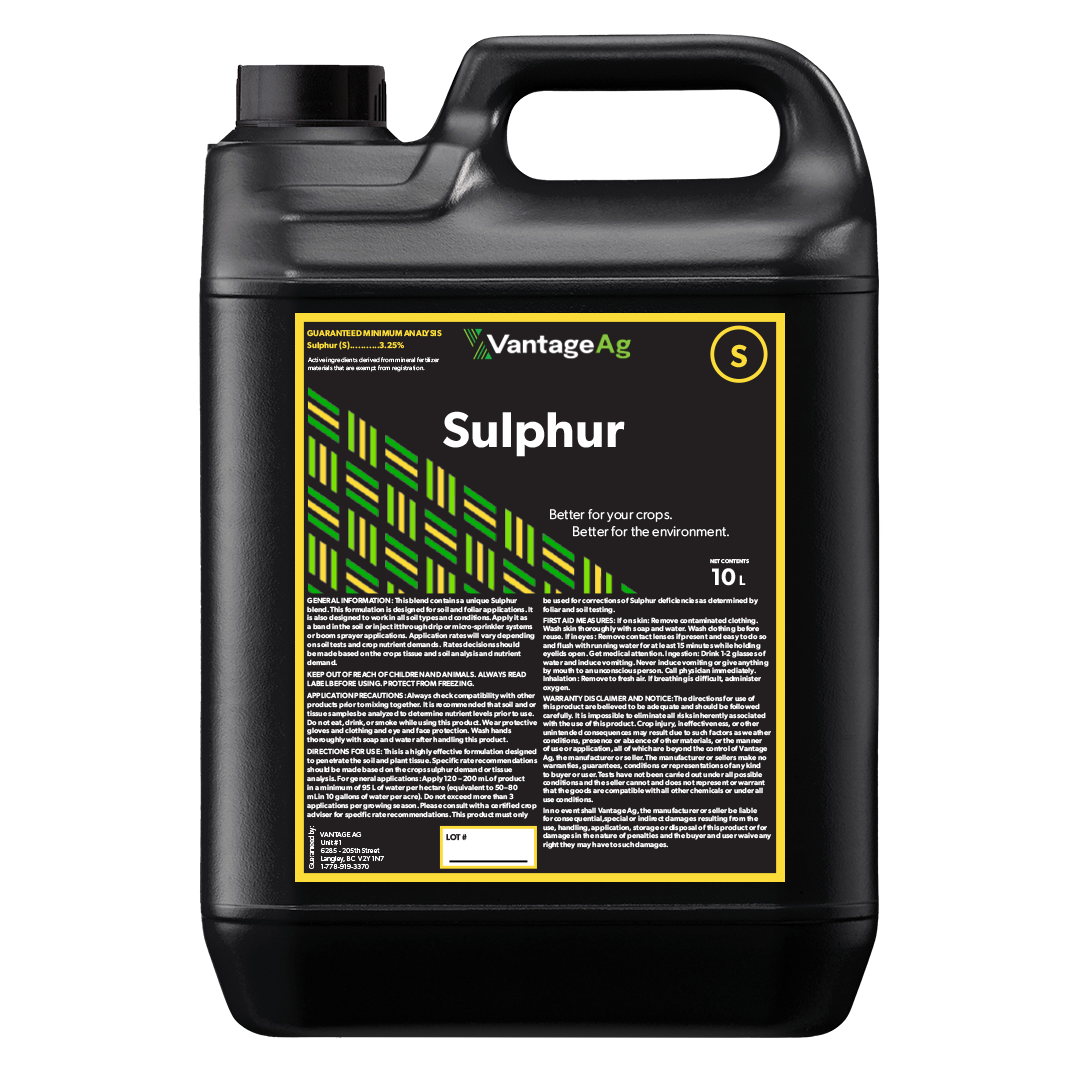
Sulphur in fertilizer moves readily in the soil and availability can vary greatly throughout a field. When plants require Sulphur there may not be enough in certain areas to supply crop needs.
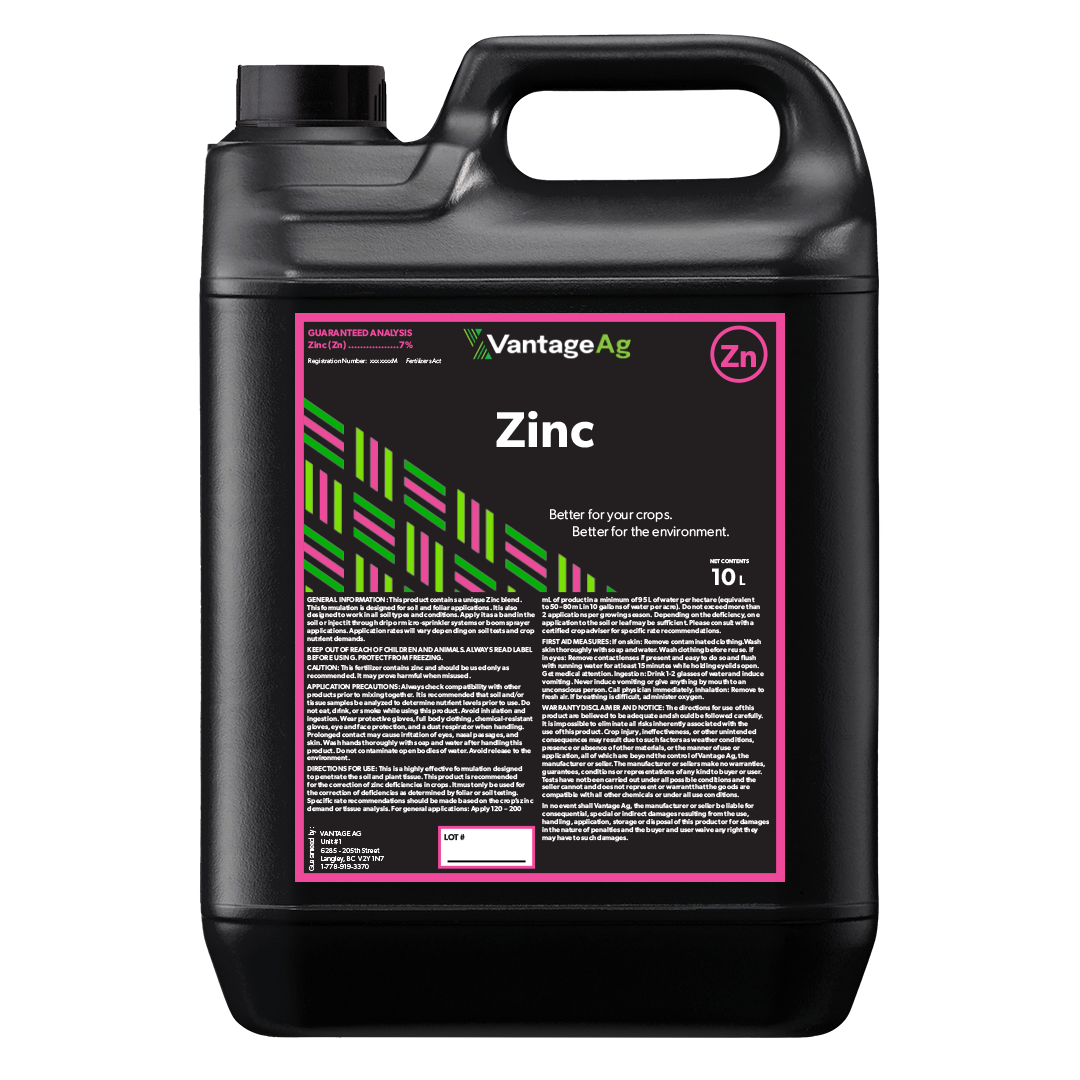
Zinc is a micro nutrient in fertilizer that plays an important role by facilitating carbohydrate production, enhances respiration and regulates growth.